Featured
Table of Contents
We discuss API governance in an approaching blog short article. Carrying out peer code reviews can likewise assist ensure that API design standards are followed and that designers are producing quality code. Usage tools like SwaggerHub to automate processes like generating API documents, style validation, API mocking, and versioning. Likewise, make APIs self-service so that designers can begin constructing apps with your APIs right now.
Prevent replicating code and structure redundant APIs by tracking and handling your API portfolio. Execute a system that helps you track and handle your APIs. The larger your organization and platform becomes, the harder it gets to track APIs and their reliances. Create a central place for internal developers, a location where everything for all your APIs is kept- API specification, documents, agreements, etc.
PayPal's website includes a stock of all APIs, paperwork, control panels, and more. And API very first approach needs that teams plan, organize, and share a vision of their API program.
Akash Lomas is a technologist with 22 years of knowledge in.NET, cloud, AI, and emerging tech. He builds scalable systems on AWS and Azure utilizing Docker, Kubernetes, Microservices, and Terraform. He writes sometimes for Net Solutions and other platforms, blending technical depth with wit. Influenced by Neil deGrasse Tyson, he combines accuracy with storytelling.
Modern Front-End Trends in Next-Gen 2026 Projects
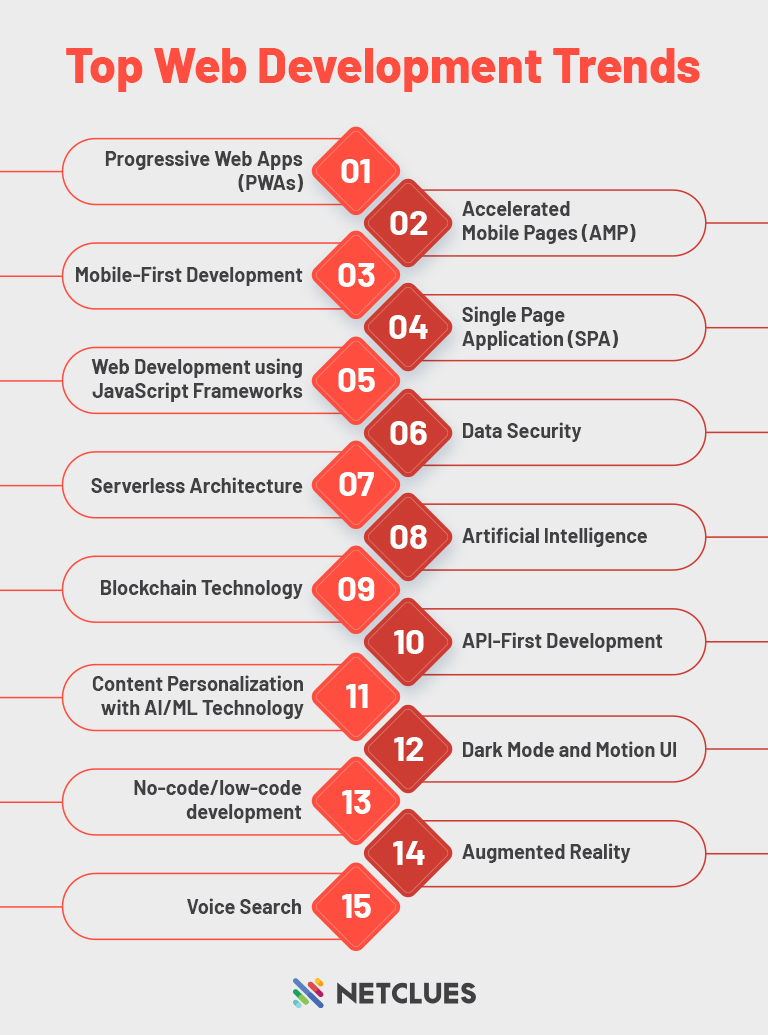
Last-minute changes and inconsistent integrations can irritate developers. Teams typically write business logic initially and define application shows interfaces (APIs) later on, which can lead to mismatched expectations and an even worse overall product. One way to enhance outcomes is to take an API-first technique, then build whatever else around it. Prioritizing the API can bring many benefits, like much better cohesion between different engineering groups and a consistent experience across platforms.
In this guide, we'll talk about how API-first development works, associated challenges, the very best tools for this technique, and when to consider it for your products or jobs. API-first is a software application advancement strategy where engineering teams focus the API. They begin there before constructing any other part of the product.
This method has risen in popularity over the years, with 74% of developers claiming to be API-first in 2024. This switch is demanded by the increased complexity of the software application systems, which need a structured method that may not be possible with code-first software development. There are really a couple of various methods to adopt API-first, depending upon where your company wants to begin.
A Expert Guide to Evaluating a CMS
This structures the whole development lifecycle around the API contract, which is a single, shared blueprint. This is the biggest cultural shift for many development teams and might appear counterproductive.
It needs input from all stakeholders, consisting of developers, item supervisors, and organization analysts, on both business and technical sides. For circumstances, when constructing a patient engagement app, you might require to seek advice from physicians and other clinical staff who will utilize the item, compliance specialists, and even external partners like drug stores or insurance companies.
Unifying Your Digital Existence With Headless Washington ArchitectureAt this stage, your goal is to build a living agreement that your groups can refer to and contribute to throughout development. After your organization agrees upon the API agreement and commits it to Git, it ends up being the job's single source of fact. This is where teams start to see the benefit to their sluggish start.
Selecting a Right CMS to Success
They can use tools like OpenAPI Generator to generate server stubs and boilerplate code for Spring Boot or applications. The frontend group no longer needs to wait for the backend's actual implementation. They can point their code to a live mock server (like Prism (by Spotlight) or a Postman mock server) produced straight from the OpenAPI specification.
As more teams, items, and outdoors partners participate in, problems can appear. One of your teams may use their own naming conventions while another forgets to add security headers. Each inconsistency or error is small on its own, but put them together, and you get a brittle system that annoys designers and confuses users.
At its core, automated governance suggests turning best practices into tools that capture errors for you. Rather than a designer reminding a designer to stay with camelCase, a linter does it instantly in CI/CD. Instead of security groups manually evaluating specifications for OAuth 2.0 application standards or required headers, a validator flags issues before code merges.
It's a style choice made early, and it typically determines whether your environment ages gracefully or fails due to constant tweaks and breaking modifications. Planning for versioning makes sure that the API does not break when upgrading to fix bugs, add brand-new features, or enhance efficiency. It includes mapping out a strategy for phasing out old variations, representing in reverse compatibility, and interacting changes to users.
With the API now up and running, it is very important to analyze app metrics like load capability, cache hit ratio, timeout rate, retry rate, and reaction time to evaluate efficiency and optimize as required. To make performance noticeable, you first require observability. Tools like Prometheus and Grafana have actually ended up being practically default choices for gathering and picturing logs and metrics, while Datadog prevails in enterprises that desire a managed choice.
Merging AI and Design Strategies in 2026
Optimization techniques vary, but caching is typically the lowest-effort, greatest effect relocation. Where API-first centers the API, code-first focuses on constructing the application initially, which may or may not consist of an API. AspectCode-FirstAPI-FirstFocusImplementation and organization logic. API constructed later on (if at all). API at. API agreement starting point in design-first approaches.
Slower start but faster to iterate. WorkflowFrontend based on backend development. Parallel, based upon API agreement. ScalabilityChanges frequently need greater adjustments. Growth represented in agreement by means of versioning. These 2 techniques show different beginning points rather than opposing viewpoints. Code-first teams prioritize getting a working item out rapidly, while API-first teams highlight preparing how systems will interact before writing production code.
This typically results in much better parallel development and consistency, but just if done well. A poorly performed API-first approach can still create confusion, delays, or breakable services, while a disciplined code-first team may construct fast and steady products. Eventually, the very best technique depends on your group's strengths, tooling, and long-term goals.
How Next-Gen Tools Boost Visibility and Performance
The code-first one may start with the database. The structure of their data is the first concrete thing to exist.
If APIs emerge later on, they typically become a leaking abstraction. The frontend group is stuck.

Latest Posts
Building High-Growth Enterprise Models to Convert
Building the Future-Proof 2026 Growth Framework
Top Practices for Optimizing Front-End Performance in 2026